
London Airports: Essential Guide to All Six Major Airports
Overview of London Airports
When it comes to air travel in the UK, London’s network of international airports is, frankly, unmatched. With six major gateways, the city’s aviation system is among the world’s busiest,sometimes overwhelmingly so, if you ask locals or tired travelers alike.
Map and Locations of London Airports
The six main airports that serve the London region are Heathrow (LHR), Gatwick (LGW), Stansted (STN), Luton (LTN), London City (LCY), and Southend (SEN). Each has its own quirks and serves a different slice of the city and beyond.
- Heathrow: 26 km west of central London, in Hillingdon.
- Gatwick: 45 km south, West Sussex.
- Stansted: 63 km northeast, Essex.
- Luton: 55 km northwest, Bedfordshire.
- London City: 14 km east, Newham.
- Southend: 64 km east, Essex.
Heathrow is the most central of the big airports, while London City is closest to the heart of the capital,though it’s tiny by comparison. Southend is a bit of an outlier, but its rail link to Liverpool Street is a real perk. If you want to see their layout, a map of London airports is pretty helpful.
Passenger Traffic and Rankings in London Airports
Back in 2018, London’s air hubs processed a staggering 177 million passengers. That’s more than any other city’s airport system, worldwide. Heathrow alone saw 80 million travelers, making it the busiest in Europe for international flights.
Gatwick handled about 46 million,pretty impressive, considering its size. Stansted managed nearly 28 million, thanks mostly to Ryanair’s relentless schedule. Luton wasn’t far behind, with over 16 million folks passing through.
London City, the business traveler’s favorite, counted roughly 4.8 million passengers. Southend, on the quieter end, had about 1.5 million. Together, these locations account for more than 60% of all UK air traffic, according to Airports of London. That’s no small feat.
Airlines and Destinations Served by London Airports
Heathrow is the UK’s main international hub. British Airways and Virgin Atlantic run long-haul flights all over the globe, and if you’re coming from the US or Asia, odds are you’ll land here first.
Gatwick’s got a mix: full-service airlines and budget carriers. easyJet is the big player, and you’ll find flights to Europe, North America, and a bunch of holiday hotspots.
Stansted is Ryanair territory, with a dizzying array of European routes. Luton’s dominated by easyJet and Wizz Air, focusing on the continent and the Med.
London City is all about short-haul business routes,think Frankfurt, Zurich, Amsterdam. Southend, though small, has offered flights to Ireland and European vacation spots, with its quick rail link making it a handy alternative. For a deeper dive, check out this guide to London’s six airports.
Heathrow Airport: London’s Premier Gateway
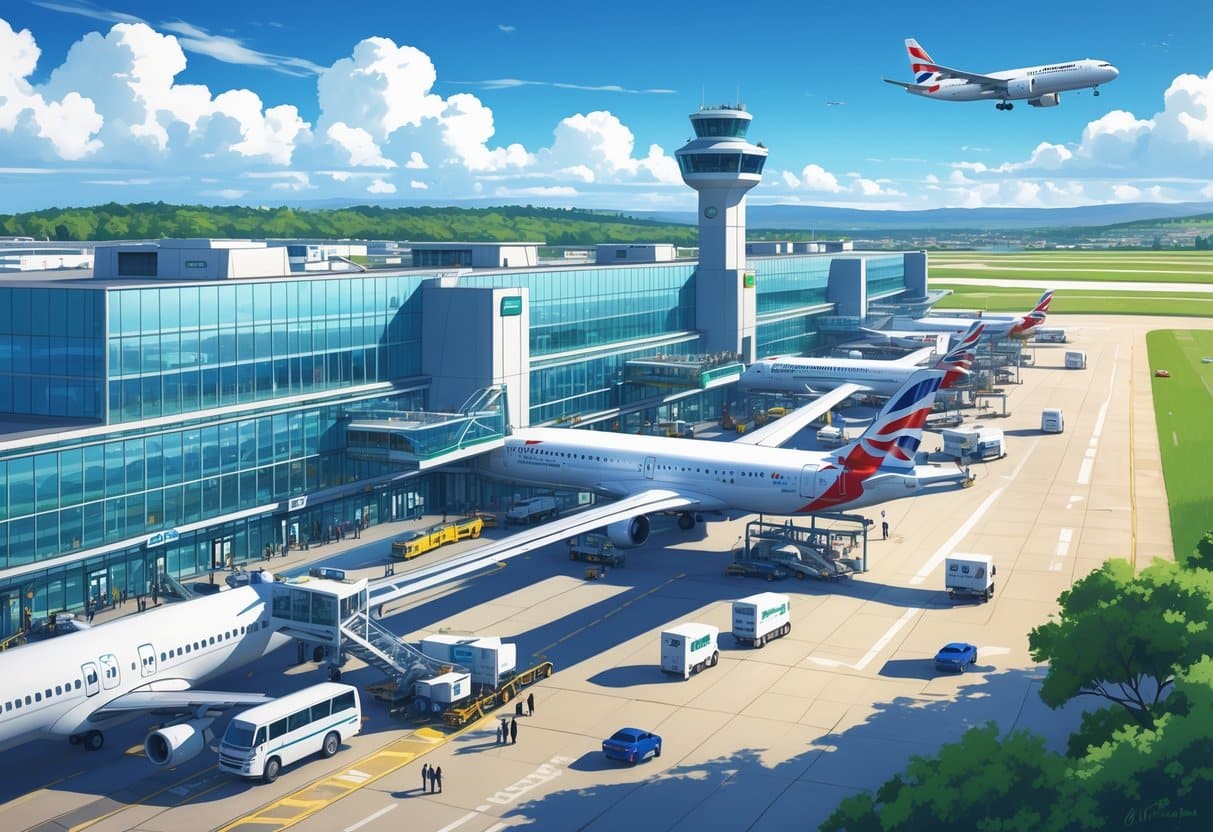
Heathrow is not just the UK’s busiest airport,it’s also one of Europe’s most important. With top-notch facilities, fast transport links to the city, and a dizzying variety of services, it’s the main entry point for many international visitors.
Terminals and Facilities at Heathrow
There are four active passenger terminals: Terminal 2, Terminal 3, Terminal 4, and Terminal 5. Terminal 1 shut its doors in 2015. Each terminal has its own vibe, with airlines grouped by alliance or destination.
Terminal 2 is mostly Star Alliance. Terminal 5? That’s British Airways’ turf. Terminal 3 handles Virgin Atlantic, Oneworld, and a few long-haul carriers.
Terminal 4 is home to most SkyTeam airlines, plus Qatar Airways and Malaysia Airlines. Terminals 2 and 3 are walkable, but 4 and 5 are a trek,use the free train or bus.
You’ll find baggage services, info desks, meeting points, and dedicated arrivals/departures areas. Terminals 5 and 2 are the most modern, with bigger gate areas and satellite concourses. Heathrow even handles the Airbus A380, which is always a sight.
Getting to Central London from Heathrow
Want to get into town fast? The Heathrow Express is your best bet,nonstop to London Paddington in about 15 minutes, running from early morning to late at night.
The Elizabeth Line is newer, linking Heathrow to Paddington and right through central London. It’s a bit slower but cheaper. The Piccadilly Line on the Tube is the budget pick, connecting to hotspots like King’s Cross and Piccadilly Circus.
Buses and coaches leave from the Central Bus Station (Terminals 2 and 3), heading all over London and beyond. You can use an Oyster card or contactless for the Tube and buses. Taxis and private cars are always outside, but they’ll cost you.
Shopping and Dining at Heathrow
Heathrow isn’t just about planes,it’s a shopping and dining destination in its own right. Duty-free, high-end brands like Harrods and Burberry, electronics, and travel essentials are all here.
Food-wise, you’ve got everything from grab-and-go coffee to proper sit-down meals. Terminals 2 and 5 have the most options, with international cuisine and British classics. Many spots open early for morning flights.
Lounges are everywhere, both airline and independent, with food, drinks, Wi-Fi, and quiet corners. Families get play zones; business travelers have workspaces and charging points. Honestly, you could almost forget you’re at an airport,almost.
Gatwick Airport: London’s Southern Air Hub
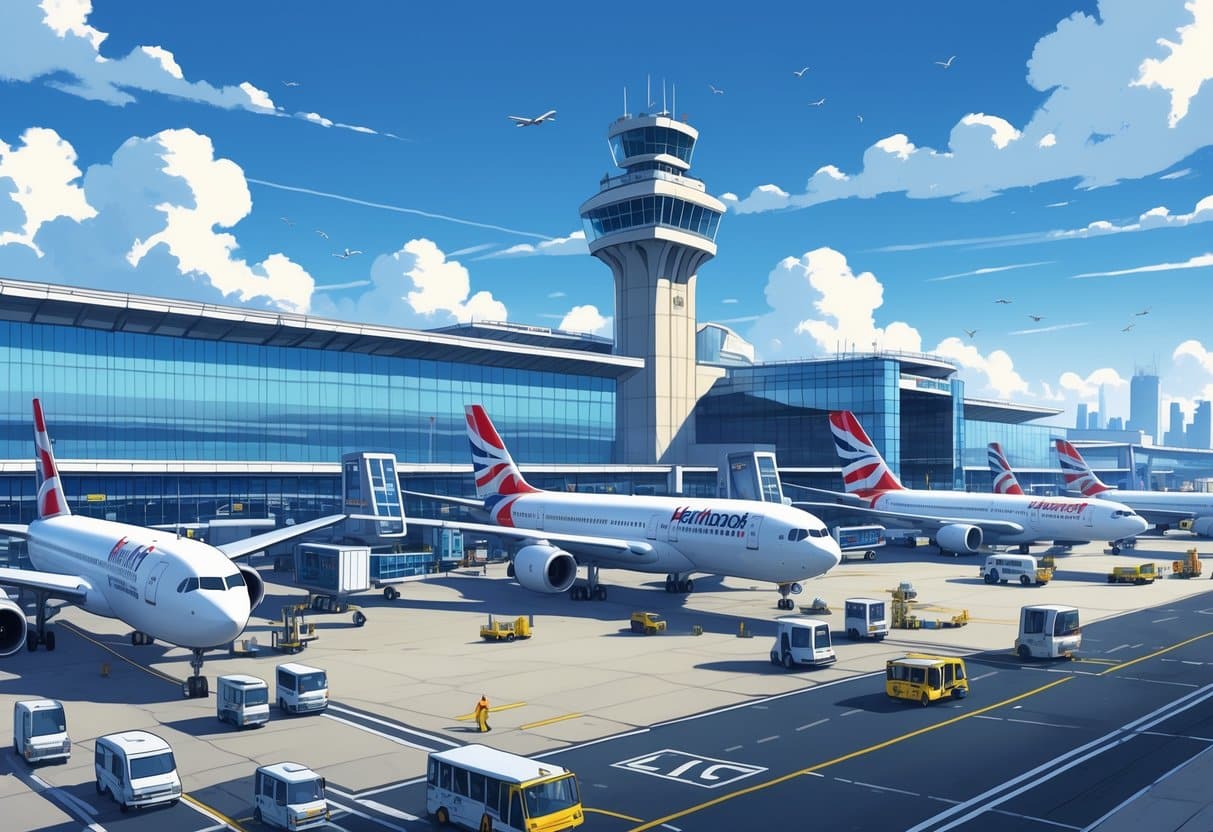
Gatwick is London’s second-largest air gateway, pulling in millions of travelers every year. It sits near Crawley, West Sussex,about 30 miles south of the city, and it’s surprisingly easy to reach by train, car, or coach.
North and South Terminals at Gatwick
There are two main terminals: North Terminal and South Terminal. Both handle domestic and international flights, with airlines split between them for balance.
A free shuttle zips between the two every few minutes,super convenient. The South Terminal is bigger and older, hosting airlines like British Airways. North Terminal is newer, with easyJet as the main player.
Both terminals have lounges, baggage services, and spots for families. Signs are clear, so you’re unlikely to get lost. Just check which terminal your airline uses before you go.
Gatwick Express and Rail Connections
Gatwick’s railway station connects directly to the South Terminal. The Gatwick Express runs nonstop to London Victoria in about 30 minutes. Trains leave every 15 minutes for most of the day.
Southern and Thameslink trains also stop here, linking Gatwick to London Bridge, St Pancras, Brighton, and more. It’s one of the best-connected airports in southern England.
Oyster cards aren’t valid on the Gatwick Express, but you can use them on Thameslink and Southern services. Handy if you’re already set up for London’s transport.
Services and Amenities at Gatwick
There’s no shortage of food and shopping at Gatwick. You’ll find restaurants, cafés, and bars for every taste, plus plenty of grab-and-go options for those in a rush.
Shops cover everything from duty-free to fashion and electronics. There’s even Reserve & Collect at World Duty Free, so you can save a bit on brands you’d buy anyway.
Free Wi-Fi, currency exchange, luggage wrapping, and play areas for kids are all available. Premium lounges cater to business travelers who need some peace (and a decent coffee).
If you’re driving, there’s short-stay, long-stay, and valet parking. Official taxis serve both terminals, and coaches connect Gatwick to more than 100 towns and cities nationwide. Even cyclists can get here on dedicated routes. More details? The official London Gatwick website has the lot.
Stansted, Luton, and Southend: London’s Other Airports
These three airports cover the north and east of London, and they’re favorites for budget and short-haul flights. Each has its own flavor,some more no-frills than others.
Stansted Airport Highlights
Stansted (STN) is in Essex, about 40 miles northeast of central London. It’s Ryanair’s main UK base, so if you’re flying cheap to Europe, you’ll probably pass through here.
The Stansted Express train gets you to Liverpool Street in under 50 minutes. Coaches also run to Victoria and Stratford, if you’re not in a rush or want to save a few quid.
There’s just one terminal, but it’s got all the essentials: shops, restaurants, and services. Fast-track security, currency exchange, and car hire desks are easy to find.
Hotels close by make early flights less painful, and the focus on budget airlines keeps fares low. Stansted’s not glamorous, but it’s effective for what it does best.
Luton Airport Essentials
Luton (LTN) sits to the northwest, about 55 km from central London. It’s a major hub for easyJet and Wizz Air, with a heavy emphasis on affordable European routes.
Passenger numbers have grown steadily,over 16 million in 2018. A shuttle bus connects the terminal to Luton Airport Parkway rail station, where you can catch trains to St Pancras in about 30 minutes.
Facilities are straightforward: shops, cafés, and a handful of lounges. Security lines can be long at peak times, so leave yourself a buffer. Parking is plentiful, and coach links are solid.
Southend Airport: The Underdog
Southend (SEN) is the smallest of the bunch, out in Essex, about 64 km from the city center. It’s got a loyal following among travelers who hate crowds and don’t mind the extra train ride.
Passenger numbers hover around 1.5 million a year, and the terminal is compact but efficient. There’s a direct rail link to Liverpool Street that takes about an hour, so it’s not as remote as it sounds.
Expect a handful of shops and cafés, with quick security and easy navigation. Southend’s not for everyone, but if you want a quieter airport experience, it’s worth a look. For more on UK airport trends, see UK Civil Aviation Authority, IATA statistics, or the BBC’s coverage of UK air travel.
Luton Airport Features
London Luton Airport (LTN) sits around 30 miles north of central London, tucked away in Bedfordshire. It’s one of the UK’s busiest air gateways, handling millions of journeys every year,no small feat for a spot outside the city’s core.
Low-cost airlines like easyJet and Wizz Air have made Luton their home turf. Most flights whisk travelers off to European cities, though a handful head further, reaching North Africa or the Middle East.
Getting to and from this London area airport isn’t tricky. A shuttle bus links the main terminal to Luton Airport Parkway railway station, where frequent trains speed into St Pancras International in about 30 minutes.
Coach services run straight to London and other destinations if you’d rather avoid the rails. The airport’s been spruced up recently, with revamped check-in halls, expanded security, and more food options,nothing too fancy, but it works.
Parking and car hire are right on site. That’s handy for business folks and families alike, though it can get crowded on peak days.
Southend Airport Essentials
London Southend Airport (SEN) is the smallest of the six major airports serving the capital. You’ll find it out in Essex, about 40 miles east of London’s center.
Honestly, if you’re after a quieter travel experience, this place is a breath of fresh air compared to the bigger London airports. There’s a single terminal,no labyrinthine corridors here.
Check-in and security? Pretty straightforward. A few shops and cafés dot the space, and you can grab a rental car if you need one.
Southend’s got its own railway station just a short stroll from the entrance. Direct trains zip to Liverpool Street in under an hour, so the commute isn’t bad at all.
Flight numbers are lower than at Heathrow or Gatwick, but Southend focuses on regional and European destinations. Some travelers swear by its efficiency and those blissfully short queues.
If you’re curious about the full lineup of London airports,including Stansted, Luton, and Southend,this comprehensive guide covers all the bases.
London City Airport
London City Airport is the most central of the capital’s airfields. For business travelers or anyone who values speed, it’s hard to beat,short commutes and efficient services are the norm here.
Location and Accessibility at London City Airport
London City Airport (LCY) is tucked into the Royal Docks, Newham, just six miles from the City and a quick hop from Canary Wharf. No other airport serving London gets you this close to the action.
Hop on the Docklands Light Railway (DLR) and you’ll reach the terminal in about 20 minutes from Bank station. Trains run often, so you’re rarely left waiting long.
Driving in? The A13 is your best bet, and there’s on-site parking for both short and longer stays. Taxis and private hire cars are everywhere, though traffic can be unpredictable.
Direct flights from European cities like Zurich, Amsterdam, and Dublin make this airport a favorite for financial professionals. The London City Airport official site lets you book parking and flights ahead of time, which helps if you’re in a rush.
Business Traveller Facilities at London City Airport
This airport was built for business. Compact layout means less walking, and you’ll breeze through check-in and security compared to the bigger London airports.
British Airways runs an all-business-class route to New York,pretty unique, really. KLM and Swiss, among others, offer frequent flights to key European cities for professionals on the move.
Perks include free Wi-Fi, business lounges, and quiet corners to get work done. Boarding’s quick, and the arrivals hall is streamlined, so you’re out the door fast.
The London City Airport Guide notes that more than 50 destinations are served each year, with a heavy focus on European business hubs. That’s a big draw for corporate travelers who value efficiency.
Transport Options Between London Airports and the City
Getting between the capital and its airports? You’ve got choices,express trains, standard rail, and even the Underground if you’re not in a hurry. Major stations like Victoria, Paddington, and Liverpool Street are the main transfer points for these routes.
Rail and Express Services for London Airports
The Heathrow Express is the speed king, dashing from Heathrow to Paddington in about 15 minutes. It’s pricier than the Tube, but sometimes time is money.
For a cheaper ride, the Elizabeth line or Piccadilly line on the Underground connect Heathrow to the city. They take longer, but the savings can be worth it if you’re not in a rush.
Gatwick’s got its own Gatwick Express,nonstop to Victoria in around 30 minutes. Southern and Thameslink trains also serve the airport, usually for less cash, though they make more stops.
Stansted’s Stansted Express leaves every half hour for Liverpool Street. If you’re coming from Luton, hop on East Midlands Railway or Thameslink to St Pancras, then you’re a quick transfer from anywhere central. You can check Heathrow’s official page for up-to-date details on schedules and fares.
Oyster Card and Ticketing for London Airports
An Oyster card or contactless payment works on the Underground, buses, the Elizabeth line, and Thameslink within London zones. Super handy if you’re bouncing around the city or making airport transfers.
Keep in mind, though: Oyster isn’t accepted on the Heathrow Express, Gatwick Express, or Stansted Express,those premium trains need their own tickets. You can grab them online or at the station, but don’t get caught out.
If you’re planning a lot of trips, a Travelcard or the daily Oyster cap can help keep costs down. Sometimes the fastest route isn’t the cheapest, so weigh your options based on your schedule and budget.
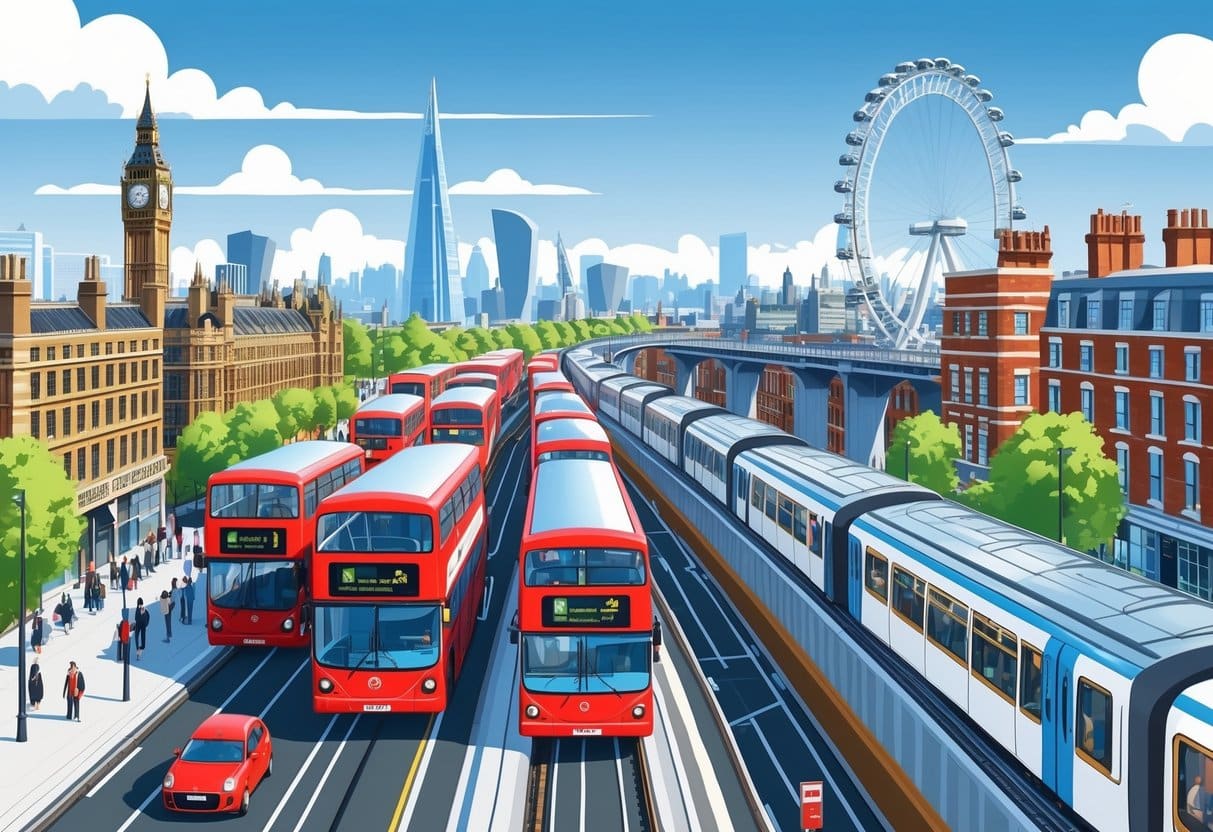
For deeper insights, check out resources from the UK Civil Aviation Authority, British Airways, or Transport for London,they have stats, tips, and updates that can help you plan your journey through London’s air travel network.
Major London Stations for Airport Access
Some of the busiest rail stations in the city play a crucial role in connecting travelers to London Airports. Paddington is the go-to for those heading to Heathrow, thanks to the speedy Heathrow Express and the convenient Elizabeth line.
Victoria stands out as the central hub for both Gatwick Express and Southern services, making it a popular choice for folks flying in or out of Gatwick.
Liverpool Street Station is your ticket to Stansted, with regular departures on the Stansted Express. Meanwhile, St Pancras International links up with Luton Airport via Thameslink and East Midlands Railway routes.
Blackfriars and Farringdon aren’t just for city commuters,they also offer Thameslink services to both Gatwick and Luton, rounding out the network of key London transport hubs.
Getting around from these stations is usually a breeze, since they’re all plugged into the Underground. That means you can hop off a train and straight onto the Tube without much fuss. 
There’s plenty of signage and frequent trains, so even during rush hour, the system holds up pretty well. According to Transport for London, over 200 million passengers use these interchange stations annually, highlighting just how vital they are for airport access (TfL statistics).
If you’re planning a trip, it’s worth checking live updates, as engineering works or strikes can sometimes throw a wrench in the works. Still, for most journeys to any of the London Airports, these major stations are where your adventure really begins.
For more on UK rail travel and airport links, see National Rail or the Civil Aviation Authority for the latest stats and travel advice.
